A RETURN TO FORMER GLORY
Brimming with charm, character and history, Australia is thought to have more than 100,000 heritage-listed homes, each with a different cultural significance and story to tell. Such heritage homes have a distinct architectural appearance, one that is instantly recognised amongst our cityscape. Here, Bethany Hayes discusses the most effective ways to modernise a heritage abode, while still maintaining the building’s existing integrity and historic beauty.
While there are countless properties that are able to capture the essence of the past – from soaring, intricate ceilings, stunning leadlight windows, sweeping archways, to intricate cast-iron lace work – for a home to qualify as heritage listed it must also have a specific historic and cultural significance. As such, there are numerous factors to consider when undertaking a renovation on a heritage home. From permits, council regulations and maintaining structural integrity, this guide will assist you to restore and modernise a heritage dwelling, allowing it to age with grace and inspire for another hundred years.
Preserving The Past
There’s no question of the value – both literally and historically – that heritage homes bring to their suburb of residence. From the era-specific architecture, to the importance of the land in which they stand, these humble abodes have been deemed worthy of preservation for the generations to come, so it’s only right that their history and character is properly maintained. For builders and tradesmen alike, one’s local council and the state’s building regulations are important guides when it comes to the dos and don’ts of renovating and restoring these special sites. Each council has its own heritage values and guidelines for development within a heritage overlay, which make them a great starting point – especially when looking to renovate.
Before you begin altering your heritage home, you’ll need to obtain developmental approval from your local council, and your state or territory’s heritage council. From there, it’s important to also submit a heritage impact assessment. This assessment outlines exactly what changes you plan to make to the heritage property, and how such renovations will impact or enhance the property’s heritage status. While the rules are subject to council regulations about preserving the property’s appearance, simple repairs and property maintenance are exempt from this, and do not require approval.
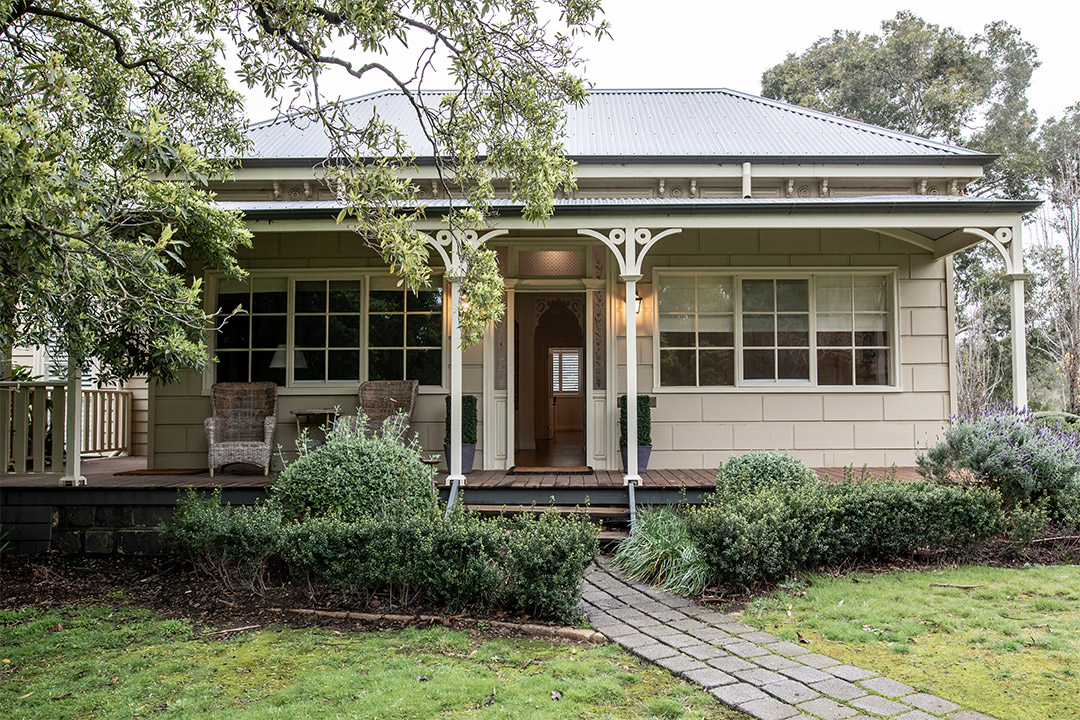
As a general guide for budding renovators, it’s important that the street frontage of a heritage-listed property is preserved and retained. In simple terms, with the exception of maintenance and repairs, alterations to the exterior front façade are simply off-limits. If a visible element of the home’s exterior needs to be replaced due to damage, it’s advised to do so in a like-for-like basis; choosing something of similar style, origin and appearance so that the home’s exterior is not compromised from its original form.
While there are a number of rules to decipher when it comes to revamping a heritage home, working alongside a professional who is familiar with these rules can substantially help to ease stress and clarify the parameters in which you work. It can be easy to get lost in the nitty and gritty of the guidelines; so working alongside an expert and craftsmen trades can help ensure you not only abide by council regulation, but it also allows you to focus on the area you really excel in – whatever it may be.
Better Than Before
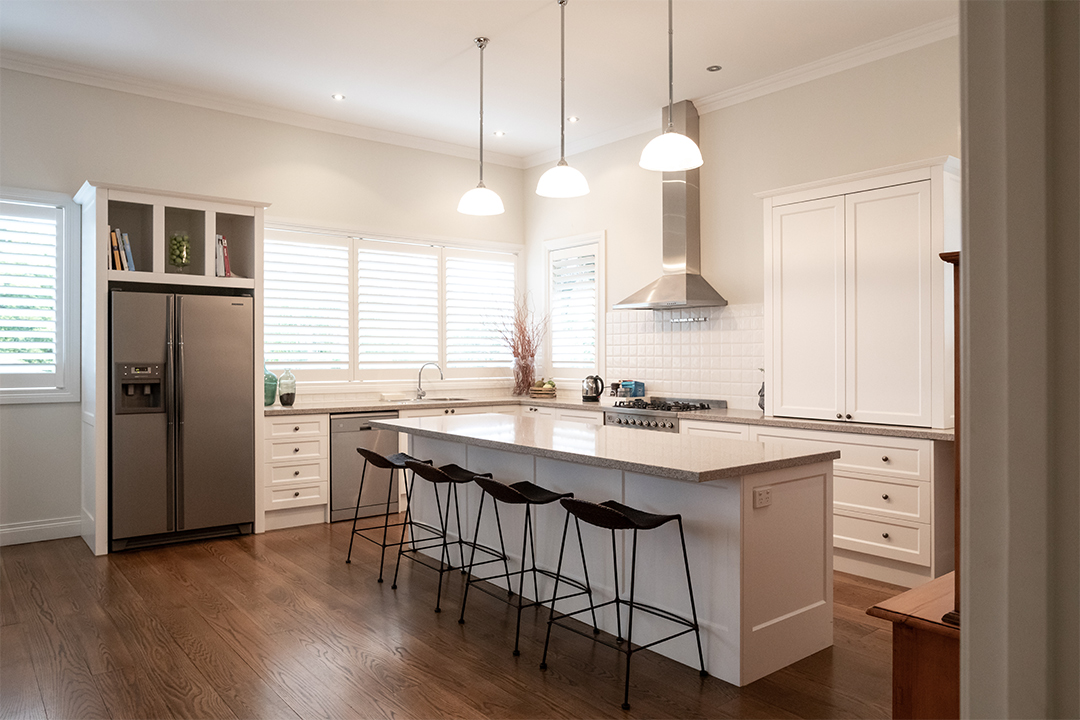
Although there are strict limitations on alterations to a heritage home’s exterior and structure, there’s certainly room to play with home’s interior. Renovating the kitchen, bathroom, laundry and other internal rooms is generally always allowed, giving builders and designers scope to play and fuse contemporary additions with more traditional elements of design. Adding a unique splashback to the kitchen is a useful way to introduce a splash of colour or some natural stone into the design. Or if you prefer, incorporate a window splashback to allow extra natural light to flow through the abode.
From a refurbishment point of view, the need to enhance the comfort-factor of heritage homes is often essential. This is achieved by improving the internal heating and opting for furniture that increases the home’s overall ease-of-living. If you want this home to last for another 100 years, getting the structural integrity right from the start, as well as upgrading the thermal performance and airtightness will make for a much more comfortable home.
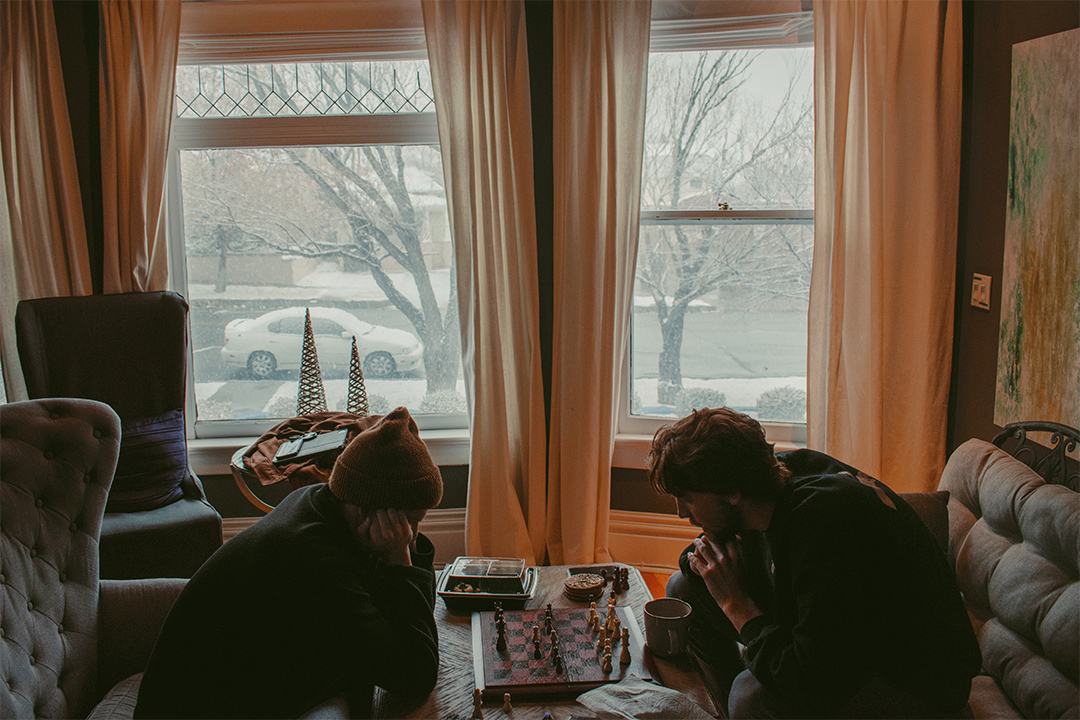
When giving a new lease of life to heritage homes, it is highly likely that you’ll be working with a narrow space. This however, is a chance to get creative! Black ceilings can create a moody, sophisticated vibe, with matte black tapware and joinery able to further enhance a home’s modern-day finesse. If you’re looking to still maintain a sense of tradition, elegantly patterned wallpaper, spiral staircases, hanging chandeliers and curved archways are defining heritage features, which truly pop when combined with the comforts of the present day.
Test The [Design] Limits
Although it has been established that the striking external appearance of a heritage home should remain intact, designers have a lot more freedom to weave deliberate modern touches into a heritage home’s interior. While a variety of browns, burgundies and creamy-yellow toned whites have long been synonymous with a heritage aesthetic, the addition of bright shades and pops of black can evoke a contemporary feeling and help create an effective focal point for a design.
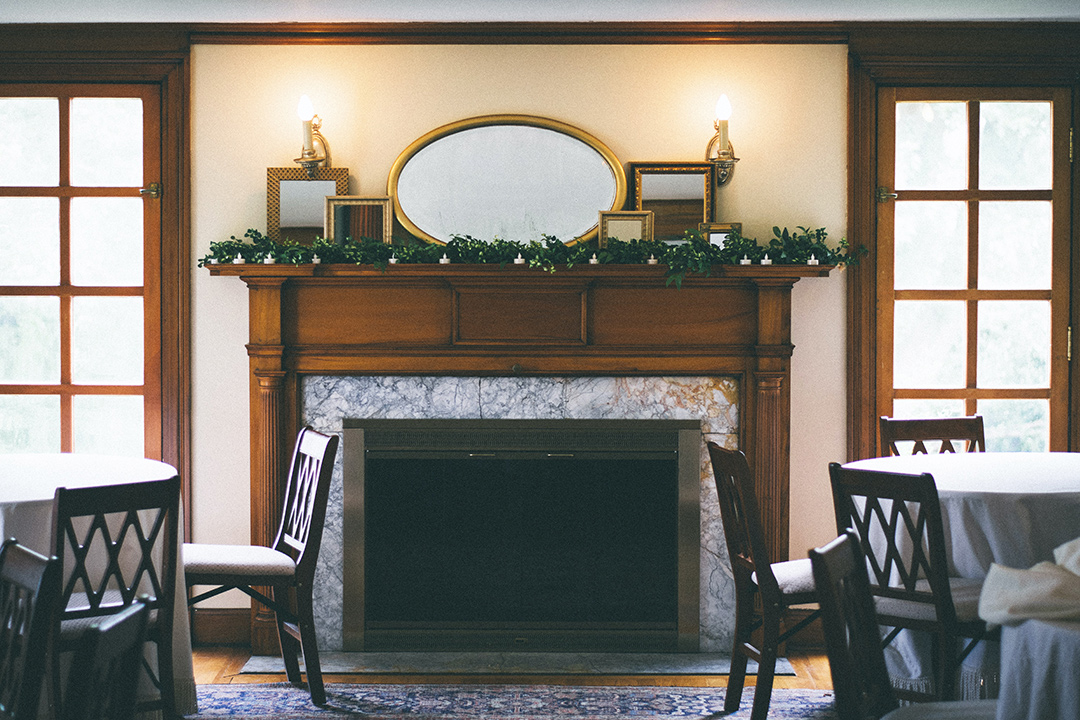
To add your own style to a heritage design, try painting timber skirting boards white for extra brightness, or painting a fireplace’s external brickwork. Additional bursts of colour can be included through cushions and throws, artwork or even through furniture itself. While it’s always nice to keep some furniture from the home’s era present, such as an antique chiffonier, hardwood table or even a Larkinhurst sofa, try combining these antique additions with some modern lamps, pigeon-hole shelving or even gloss red chairs for undeniable modern flair.
If preserving the home’s interior in its entirety is important to you, consider sourcing some traditional wallpaper from the home’s era to adorn the internal walls. Placing era-specific artwork on display and presenting a range of antique ornaments along shelves can also be worthy touches. For some extra fun, consider using blackboard paint on a select corner of the house. This can be both a cost-effective and thoughtful addition to a heritage, or indeed any home, enabling family members to share messages with one another and further modernise a traditional design.
Encompassing character-filled designs, inherent charm, and an undisputed historical significance, heritage homes have earned their rightful place within the building landscape. While caution and compliance with council regulations should always be practised when restoring a heritage abode, utilising clever interior design, pops of colour, installing proper internal heating, and using a complementary mix of both traditional and modern furniture can see your heritage home return to its former, rightful glory.