DON’T BREAK A SWEAT: PLANNING EARLY FOR ENERGY EFFICIENCY
We’ve all felt the effects of a home that just isn’t built for the weather. Houses that feel hot in summer, cold in winter, and drain the wallet just trying to keep them bearably liveable. But when it’s your new home we’re talking about, we want something a little better. More control over temperature, preferably at lower prices. Join Sydney Home Design and Living’s Belinda Coleman as she sits down with Cengiz Ozcelik, In-House Energy Assessor at Binet Homes, to discuss his top tips and strategies for energy efficient design.
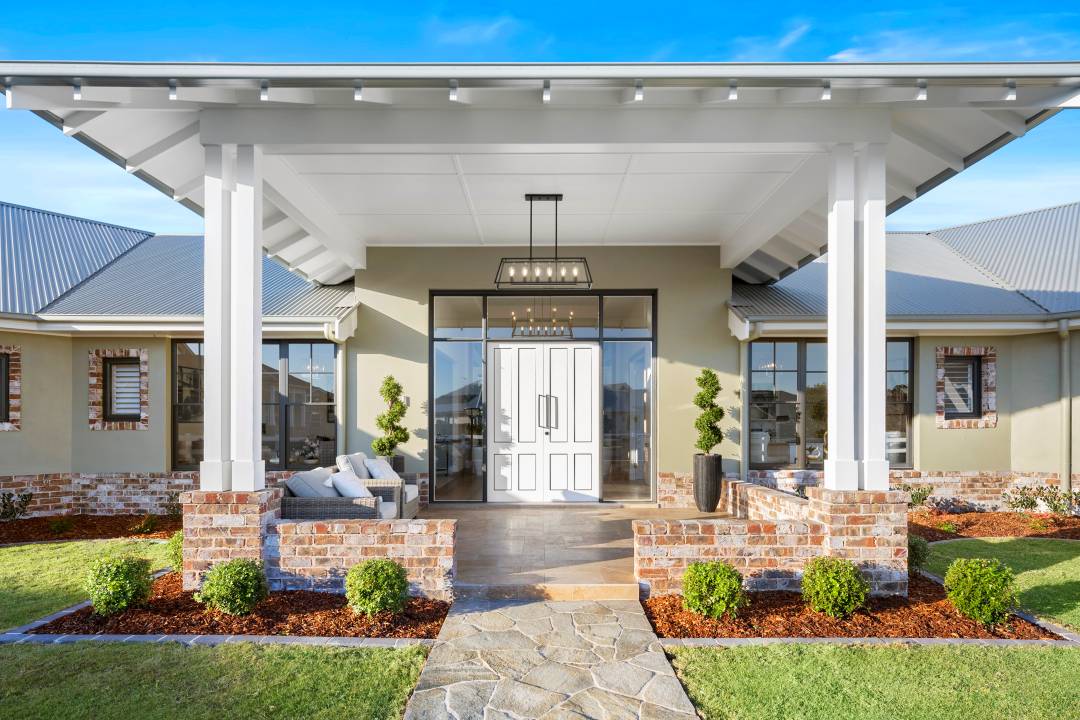
Binet Homes is a Design and Construction company specialising is bespoke luxury builds and high-quality custom solutions to suit every client. They’ve had an in-house design team for a long time, but when the government brought in a new set of national energy-efficiency requirements under the 2022 National Construction Code, Binet Homes decided to bring an in-house energy-efficiency liaison to help keep their homes efficient from the earliest stage of the process. This shifted the whole design process, making things easier for both the team and clients to achieve their perfect home.
Binet Homes has experienced numerous advantages from this setup, explaining that the company now has “far greater control over the quality and accuracy of energy reports” which has improved their “ability to manage the build costs associated with compliance, and significantly reduced approval times by removing the need to rely on external consultants.” The result is a smoother, more efficient process that keeps design intent, performance, and client outcomes aligned from day one.
What then does modern energy efficiency look like? And how does Binet Homes strive to meet these expectations in every build?
THE CORNERSTONES OF ENERGY EFFICIENCY
In a nutshell, Ozcelik defines two core components of energy-efficient homes. “Firstly, it’s about creating a home that stays thermally comfortable on its own, reducing the need for artificial heating and cooling. The second layer is the home’s ability to offset the energy it does use through renewable systems such as solar.”
These are the two basic foundations of energy efficiency, but the reality is far more complex as there is “far more depth and decision‑making involved!” Ozcelik adds.
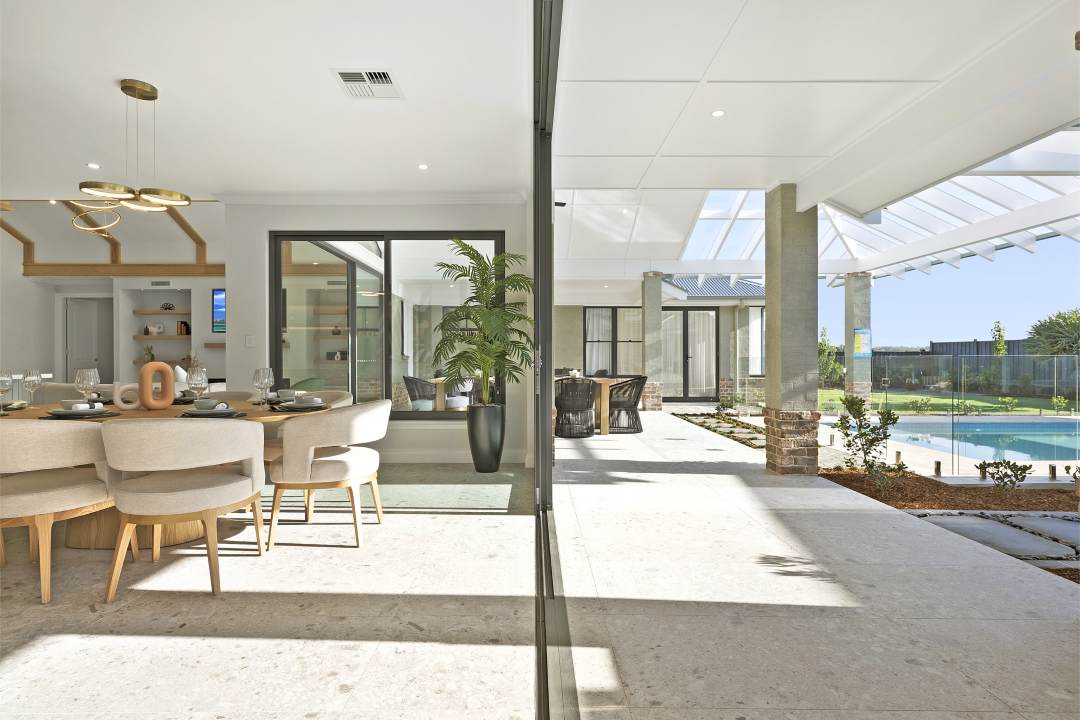
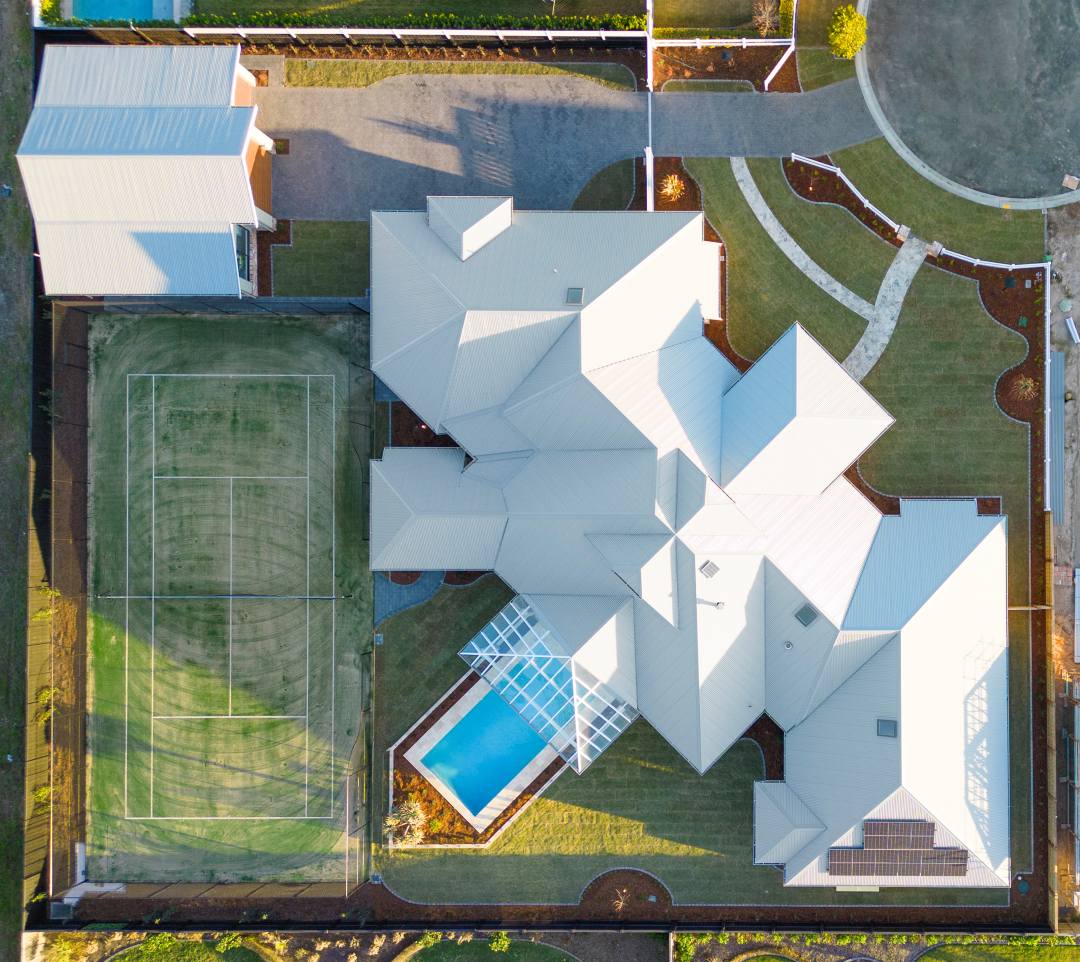
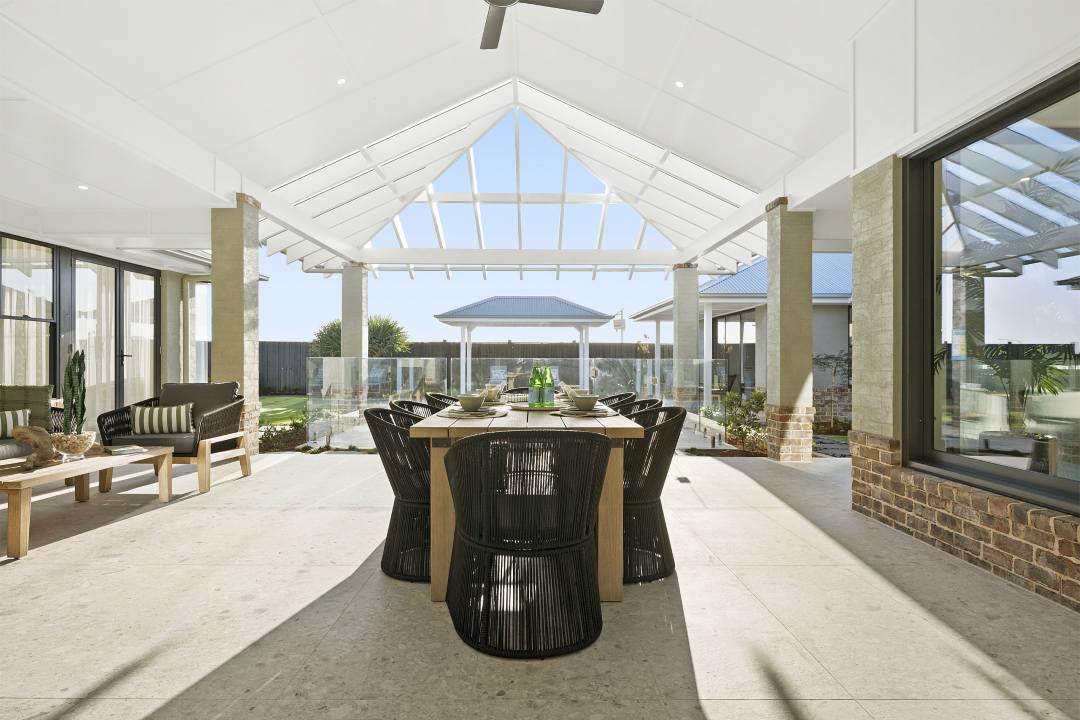
When working on a project, Ozcelik likes to look at making the kitchen and living areas north facing, optimising glazing sizes and orientation, high quality insulation, ceiling fans and cross ventilation, solar energy systems, and planned use of eaves and shading.
The team at Binet Homes also encourages clients to make use of the New South Wales Government solar and battery rebates to make their homes as efficient and cost effective as possible. He also checks for the organised zoning of rooms and spaces, increasing air-tightness where possible to limit drafts and make the best use of the home’s thermal mass.
WHEN TO INVOLVE AN ENERGY ASSESSOR
Binet Homes likes to have Ozelik involved as early as possible in the process. Optimising the energy efficiency of a home from the start makes a huge difference, as decisions such as the orientation, colours and materials can have a huge effect on energy efficiency. As such, it’s important to consult with an energy assessor early.
Knowing all the tips and tricks still doesn’t come close to having a professional involved. As Ozelik points out “Many of the strategies we rely on are a great starting point, however every project is different and comes with its own set of opportunities and constraints.” Binet Homes believes in approaching each build individually and likes to “work closely with … clients to achieve the required energy‑efficiency standards in the most cost‑effective way for their specific home.”
THE BENEFITS OF IN-HOUSE
Binet Homes benefits greatly from keeping these sustainability strategies in-house. Their energy assessor can be involved every step of the way, helping them achieve their results in the best way possible while keeping the cost and timeline on schedule. Ozelik described a project where he was able to improve a build after an external contractor massively blew out the budget with very extreme advice on insulation. Not only was Ozelik able to find more efficient solutions for the project, he was also able to shave $20, 000 off the final price for the client.
The process Binet Homes likes to take when designing a home is to first understand the site and client needs and then refine this until there is a solid plan with pricing in place ready to be lodged for approval. At Binet, they start with a site survey and analysis to understand orientation, access, neighbouring properties and any environmental or planning constraints. After that, they seek to align the client’s needs and any applicable council requirements, making the project both achievable and compliant.
Then it’s time for early concept sketches, followed by collaborative refinement. Finally, they lock in a final concept and do a full analysis to provide the client with the final price and approved design.
TOP TIPS TO AVOIDING KEY MISTAKES
Modern design trends tend to gravitate towards large spaces with as many windows as possible, but Ozelik emphasises that the right balance between room proportion and window-to-floor area makes a huge difference to overall energy efficiency! Getting the ratio wrong can add up to be a very costly mistake.
Binet Homes seeks to help their client make the most of the local government solar rebates and other energy efficiency grants. Aiming to make the home as economical, sustainable and tailored as possible.