
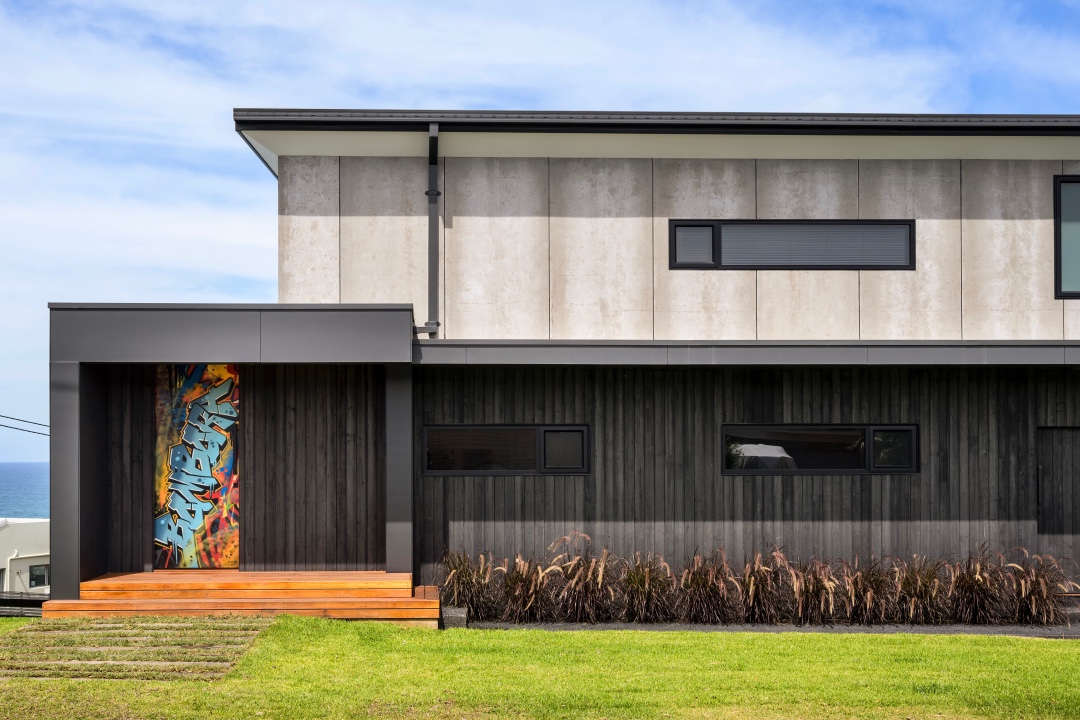
When building a home, you want the process to be as seamless as possible. Collaboration between the design and building stages is also of utmost importance. One way to make this a possibility is through working with the same company from design through to construction. Sydney Home Design + Living’s Chloe Jaenicke discussed the benefits of this with Rustic Touch Homes’ directors, Tracey Mullens and Craig Sampson.
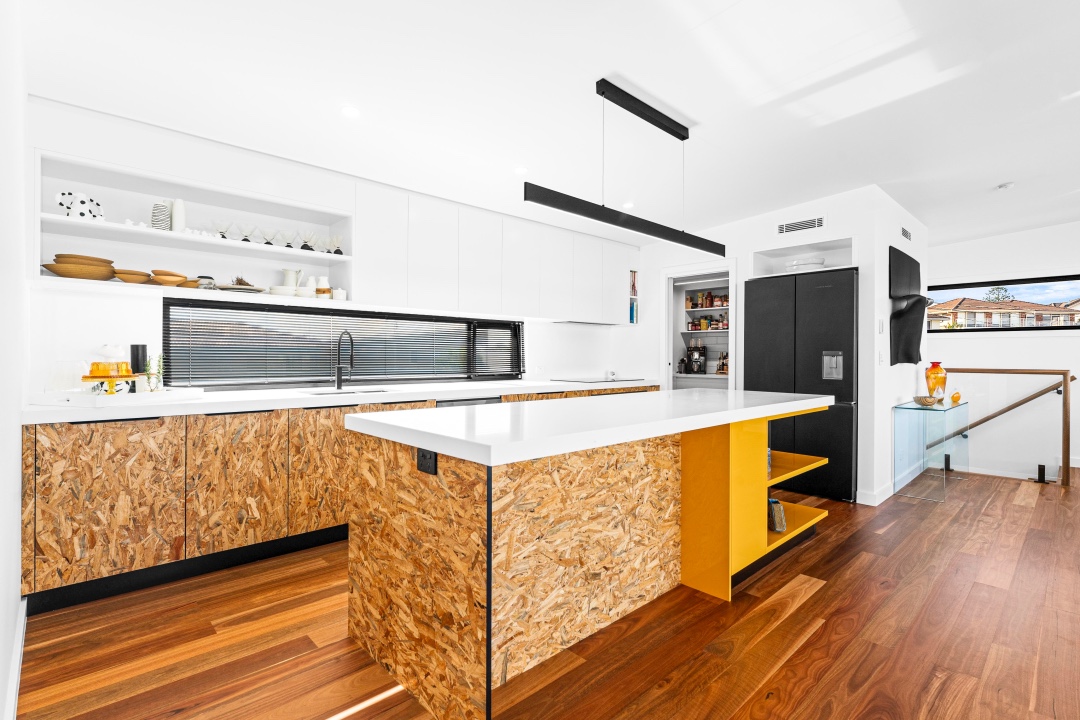
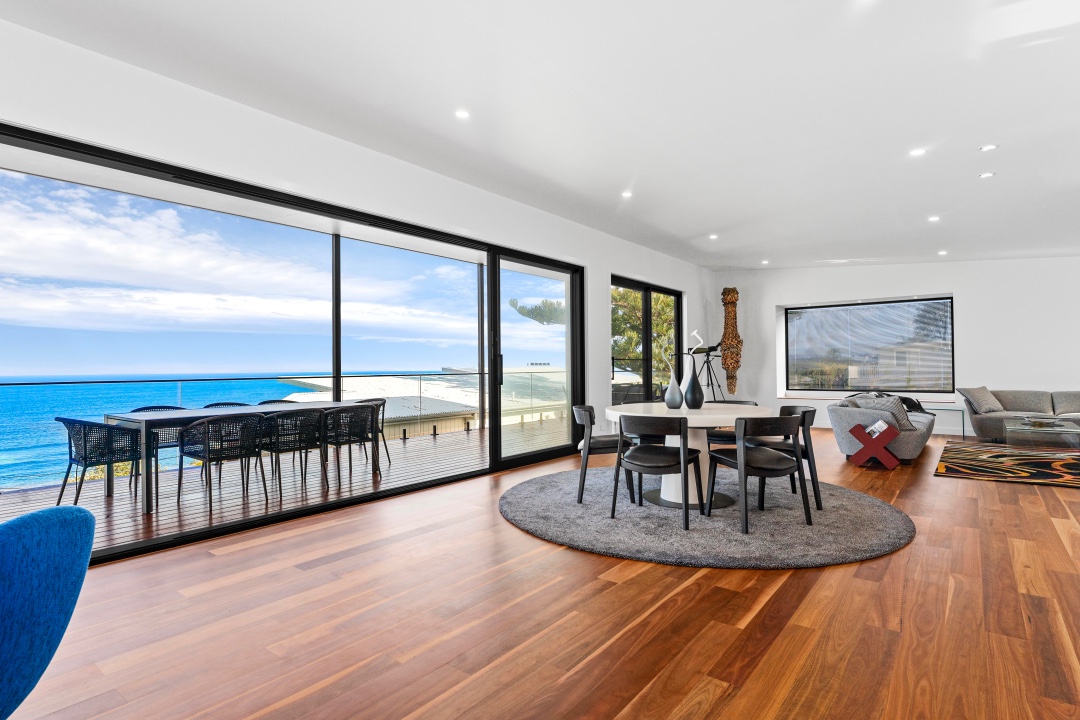
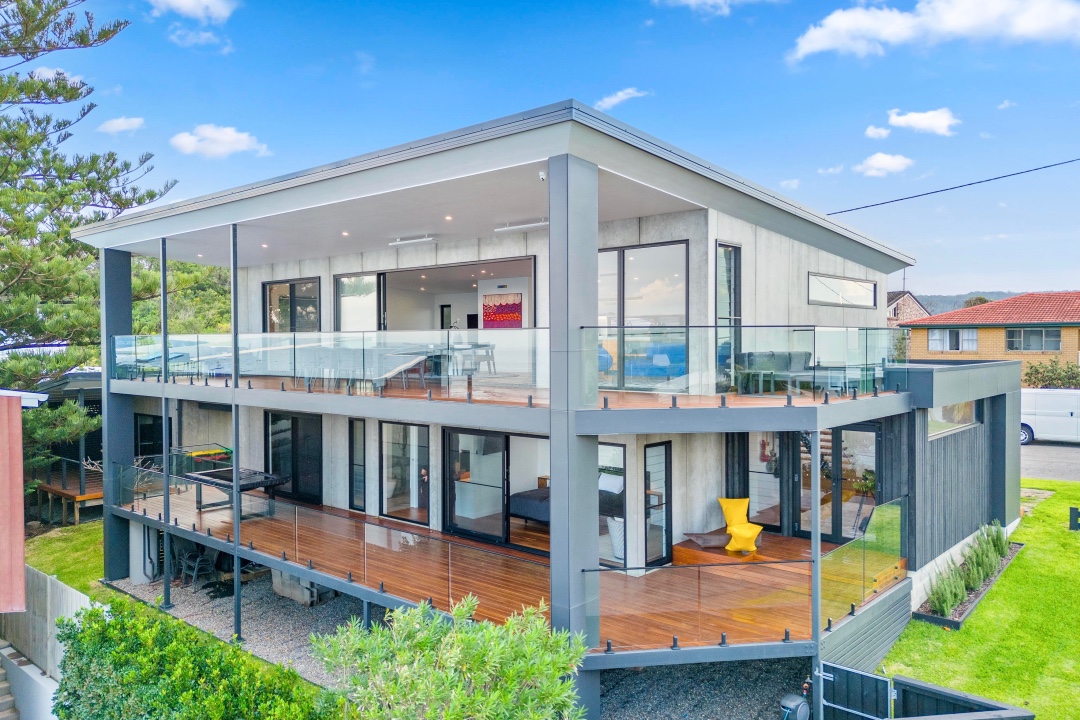
With more than 40 years of experience, Rustic Touch brings design and construction under one roof, guiding clients from initial concept to completion.
At the heart of its approach is its healthy homes philosophy, where the company strives to create homes that are not only beautiful, but are also built to enhance the health, comfort and wellbeing of the people who live in them.
Mullens and Sampson believe that working through the entire process under one roof helps clients achieve a more cohesive final product that aligns with their vision and lifestyle.
“By combining these principles with thoughtful design, quality craftsmanship and an understanding of how each client wants to live, we create homes that are personal, enduring and genuinely enjoyable to live in,” they said.
WORKING AS A TEAM
Working with the same team throughout the entire design to build process allows for informed decisions to be made based on what matters to the client. Mullens and Sampson said this allows the team to not only collaborate on the home aesthetic, but also on how the client wants to live and where they want to invest their budget.
“That knowledge influences decisions throughout the project, from spatial planning and orientation, through to materials, finishes and construction methods,” they said.
According to Mullens and Sampson, consulting with both the builder and designer as early as possible is the best way for the project to be considered as a whole, regardless of whether you are planning a new home or transforming an existing one.
“For a new home, we look closely at the site, orientation, views, access and planning requirements,” they said. “For a renovation, we consider the existing home-what works, what can be retained, where improvements can be made and how new spaces can connect seamlessly with the original structure.”
The designers, engineers and builders at Rustic Homes work together throughout the entire process. This allows each of their unique
perspectives to be considered from the start of the project.
“The designer considers more of aesthetics, function, flow and how the home will feel; the builder brings practical construction knowledge, detailing and cost awareness; while the engineer helps develop structural solutions that support the designer’s intent,” Mullens and Sampson said.
This proves particularly useful for renovations or any projects that require creative solutions.
“Having those conversations as a team early in the process allows us to resolve details before they become issues on site,” they said.
Having a builder involved in the design phase can also mitigate the issue of unexpected costs. By considering design, buildability and budget from the outset, the team can help direct clients towards the elements that will have the greatest impact on how the home looks and feels.
“When the builder is involved during the design phase, conversations about construction methods, materials, detailing and budget happen before everything is finalised,” Mullens and Sampson said.
“If an element is likely to add significant cost without adding equal value, alternatives can be explored while there is still flexibility to make changes.”
This is an especially important consideration
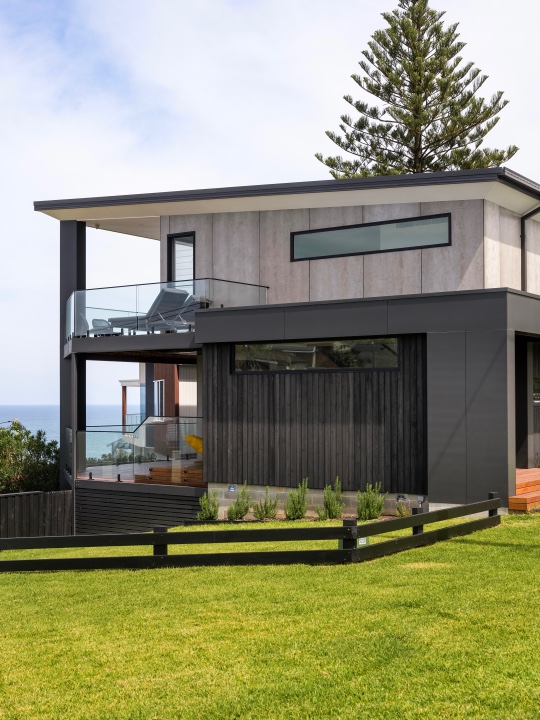
when it comes to renovations.
“Existing conditions can influence both design and construction,” they said. “Having design and construction expertise involved early helps us identify potential challenges and make informed decisions before work begins.”
When working on both custom and pre-designed homes, Mullens and Sampson said the overall philosophy remains the same, while the starting point and design journey differ.
“With a custom home, we begin with a blank page and create a design specifically around the client, their site, lifestyle and architectural preferences,” they said.
“With our pre-designed homes, much of the initial design thinking has already been resolved. Clients begin with a considered design that can then be adapted to suit their site, selections and individual needs. This can streamline the design and pre-construction process while still allowing the finished home to feel personal.”
SUSTAINABLE PRACTICES
Instead of seeing luxury and sustainability as two competing ideas, the team at Rustic Touch believes the two concepts naturally complement each other.
“True luxury is a home that is beautiful, comfortable, healthy, thoughtfully detailed and designed to perform well for many years, which is inherently sustainable,” Mullens and Sampson said.
For Rustic Touch, sustainability is at the forefront of what they do and influences their decisions from the very beginning. Mullens and Sampson believe that the most effective sustainable decisions come from good design in collaboration with the builders, rather than simply adding products or technology during the construction phase.
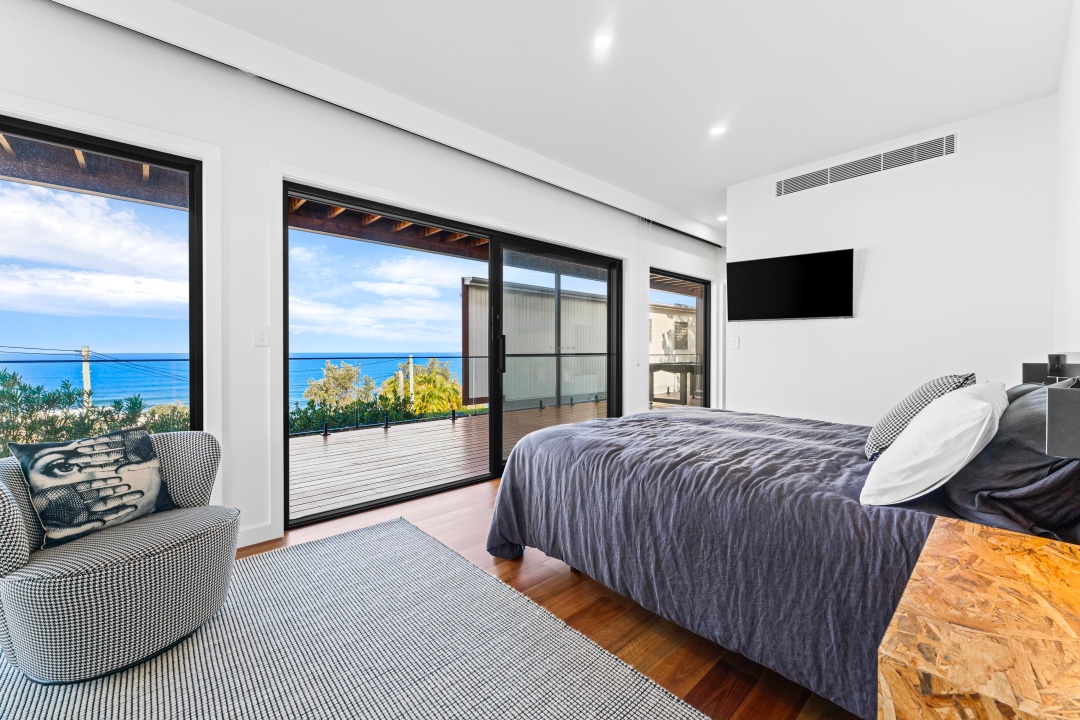
“Depending on the project, we consider orientation, passive solar design, natural light, cross ventilation, insulation, glazing, energy and water efficiency and healthier material choices,” they said. “The result is a home that can require less energy to run, provide greater year-round comfort and create a healthier indoor environment – without compromising on design or finish.”
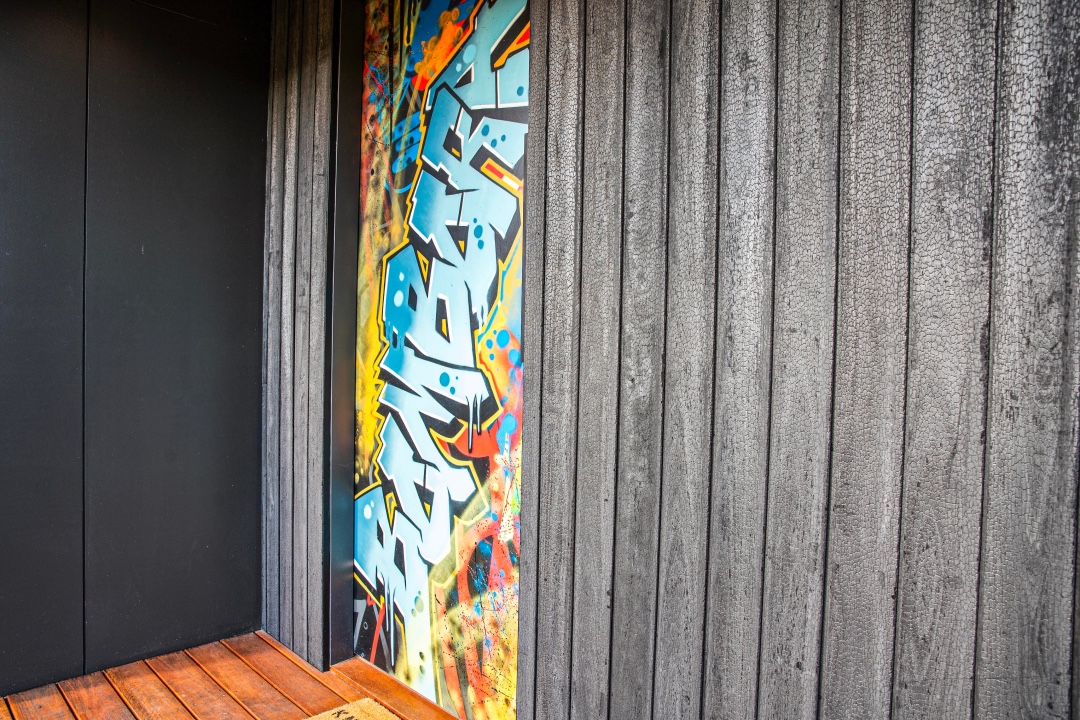
Images courtesy of Rustic Touch